
The Role of Wayfinding Signage in Creating Better Visitor Experiences
Every visitor experience begins with a simple question: Where do I go? Whether someone is walking into a shopping mall, a hospital, an airport terminal or a corporate headquarters, the answer shapes how they feel about the place within the first few minutes. When directions are clear, people relax, explore and enjoy their visit. When they are not, frustration builds quickly, and that frustration often becomes the memory they take home.
This is where wayfinding signage plays a decisive role. Far more than arrows on a wall, a well-planned wayfinding system is a silent guide that welcomes, informs and reassures visitors at every step. At Wayfinding Solutions, we believe great signage is one of the most powerful and most overlooked tools for creating spaces people love to visit and return to.
What Is Wayfinding Signage?
Wayfinding signage is a coordinated system of visual cues that helps people understand where they are, where they need to go and how to get there. It combines signs, maps, symbols, colour, lighting and even architecture into one connected journey. A complete system usually includes five core sign types:
- Identification signs mark a destination, such as a store name, room number or department entrance.
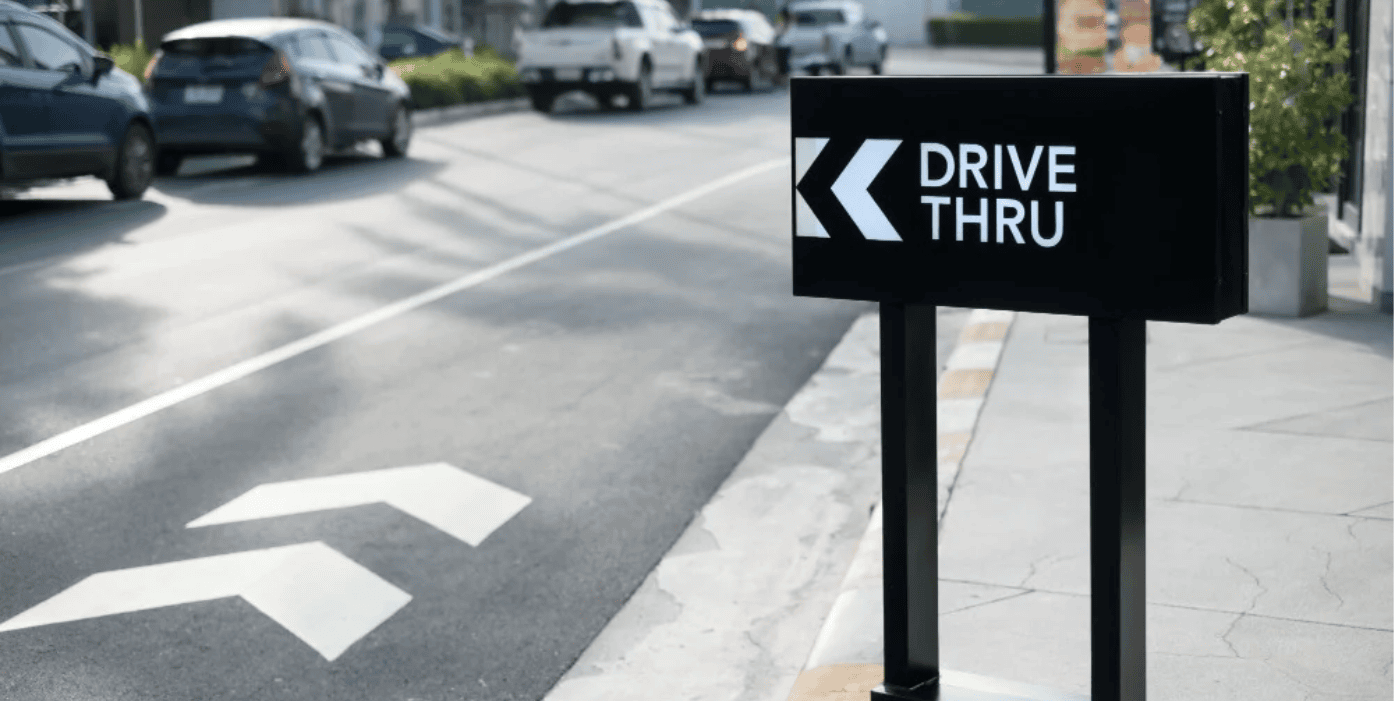
- Directional signs point visitors along the right route with arrows and clear destination names.
- Orientation signs include site maps and “You Are Here” directories that give people a big-picture view of the space.
- Informational signs share useful details like opening hours, facilities, accessibility features and visitor rules.
- Regulatory and safety signs communicate restrictions, emergency exits and evacuation routes.
When these elements work together, visitors move through a space intuitively, often without noticing they are being guided at all.
How Wayfinding Signage Shapes the Visitor Experience
1. It Reduces Stress and Confusion
Getting lost is one of the quickest ways to ruin a visit. A patient running late for an appointment or a traveller searching for a departure gate feels anxiety rise with every wrong turn. Clear wayfinding removes that uncertainty. When people can find their destination easily, they feel calm and in control, which sets a positive tone for everything that follows.
2. It Makes Spaces Accessible to Everyone
Good wayfinding is inclusive by design. High-contrast colours, legible fonts, tactile lettering, Braille, universal pictograms and multilingual text help visitors of all ages, abilities and backgrounds navigate independently. In international destinations where visitors speak many languages, clear symbols and multilingual signage are not optional extras; they are essential to a welcoming experience.
3. It Improves Safety
In an emergency, every second counts. Well-placed exit signs, illuminated evacuation routes and clearly marked assembly points help people respond quickly and calmly. A thoughtful wayfinding system also supports compliance with local fire and life-safety codes, protecting both visitors and property owners.
4. It Strengthens Brand Identity
Signage is often the first physical touchpoint between a brand and its audience. Consistent colours, materials, typography and tone of voice turn ordinary directional signs into an extension of the brand. A luxury hotel, a modern tech campus and a family-friendly mall should each feel different, and their signage should reflect that personality.
5. It Saves Time and Boosts Efficiency
When visitors can find their way on their own, front-desk staff and security teams spend less time giving directions and more time delivering genuine service. In retail environments, smooth navigation encourages shoppers to explore more stores and stay longer, which directly supports footfall and sales.
Wayfinding in Action: Where It Matters Most
Every environment has its own navigation challenges, and effective signage is tailored to each one:
- Shopping malls and retail centres: Large floor plates, multiple levels and hundreds of outlets demand clear directories, level indicators and zone colour-coding so shoppers can find stores, parking and amenities with ease.
- Hospitals and healthcare facilities: Patients and families are often under stress. Simple, consistent signage that leads them to departments, wards, pharmacies and emergency units makes a difficult day a little easier.
- Airports and transport hubs: Travellers need fast, unambiguous information about gates, check-in, baggage claim and connections, often in several languages at once.
- Corporate offices and business parks: Visitors, contractors and new employees rely on reception signs, floor directories and meeting-room identification to move efficiently through the building.
- Universities and campuses: Spread-out sites with many buildings need strong orientation maps, building identifiers and pedestrian signage to help students and guests feel at home.
- Hotels, resorts and leisure venues: Elegant, on-brand signage guides guests to rooms, restaurants, pools and event spaces while reinforcing a premium hospitality experience.
Key Principles of Effective Wayfinding Design
Not all signage creates a better experience. The most successful systems follow a few proven principles:
- Clarity over clutter. Each sign should deliver one clear message. Too much information slows people down and causes confusion.
- Consistency throughout. Use the same colours, symbols, fonts and terminology everywhere so visitors learn the system quickly and trust it.
- Strategic placement. Signs belong at decision points: entrances, intersections, lift lobbies and escalators, positioned at eye level and visible from a distance.
- Legibility and contrast. Text size, letter spacing and colour contrast must work for every visitor, in every lighting condition.
- Progressive disclosure. Give people the right information at the right moment, from broad directions at the entrance to specific details near the destination.
- Durability and quality. Premium materials and expert fabrication keep signs looking sharp and readable for years, even in high-traffic or outdoor environments.
The Rise of Digital Wayfinding
Traditional signage remains the backbone of any navigation system, but technology is opening new possibilities. Interactive touchscreen kiosks, digital directories, QR codes linked to mobile maps and dynamic LED displays allow information to be updated in real time. A mall can promote events, a hospital can redirect patients when a department moves, and an airport can display live gate changes instantly.
The most effective approach is usually a hybrid one: durable physical signs that provide constant, reliable guidance, supported by digital tools that add flexibility and personalisation. Together they create a seamless journey that meets the expectations of today’s connected visitors.
How Wayfinding Solutions Creates Better Visitor Journeys
At Wayfinding Solutions, we take a complete, end-to-end approach to every project. We begin by studying how people actually move through your space, identifying key decision points, common pain points and the needs of different visitor groups. From there, our team develops a wayfinding strategy and sign family that balances clarity, accessibility and your brand identity.
Our services cover every stage of the process:
- Site analysis and visitor-flow planning
- Wayfinding strategy and signage master planning
- Creative design aligned with your brand guidelines
- Multilingual and accessible signage solutions
- Precision fabrication using premium, long-lasting materials
- Professional installation and ongoing maintenance
- Digital wayfinding integration
Whether you are opening a new development, refreshing an existing building or solving a navigation problem that frustrates your visitors, we design systems that work beautifully from day one.
Conclusion
Wayfinding signage does far more than point the way. It reduces stress, welcomes every visitor, keeps people safe, reinforces your brand and helps your space run more efficiently. In a world where experiences matter as much as destinations, investing in thoughtful wayfinding is investing in how people feel about your business.
Ready to transform the way visitors experience your space? Contact Wayfinding Solutions today to discuss your project and discover how smart, beautifully designed signage can guide your visitors and leave a lasting impression.