
The Art Of Wayfinding: Why Effective Signage Matters For Modern Spaces
Introduction
In Dubai’s busy commercial environments, finding the right destination should not be a challenge. Whether visitors are entering a shopping centre, navigating an office tower or looking for a clinic in a large medical facility, clear directions help them move with confidence. Poorly planned signage can cause confusion, delay appointments and create unnecessary pressure on reception teams. Effective wayfinding solves these problems by guiding people through a space with clear, consistent information. It also supports accessibility, improves visitor experience and helps businesses present a professional image.
What Is Wayfinding And How Does It Work?
Wayfinding is the process of helping people understand where they are, where they need to go and how to get there. It combines physical signs, visual cues and a logical layout to make navigation easier.
A well-planned system typically includes:
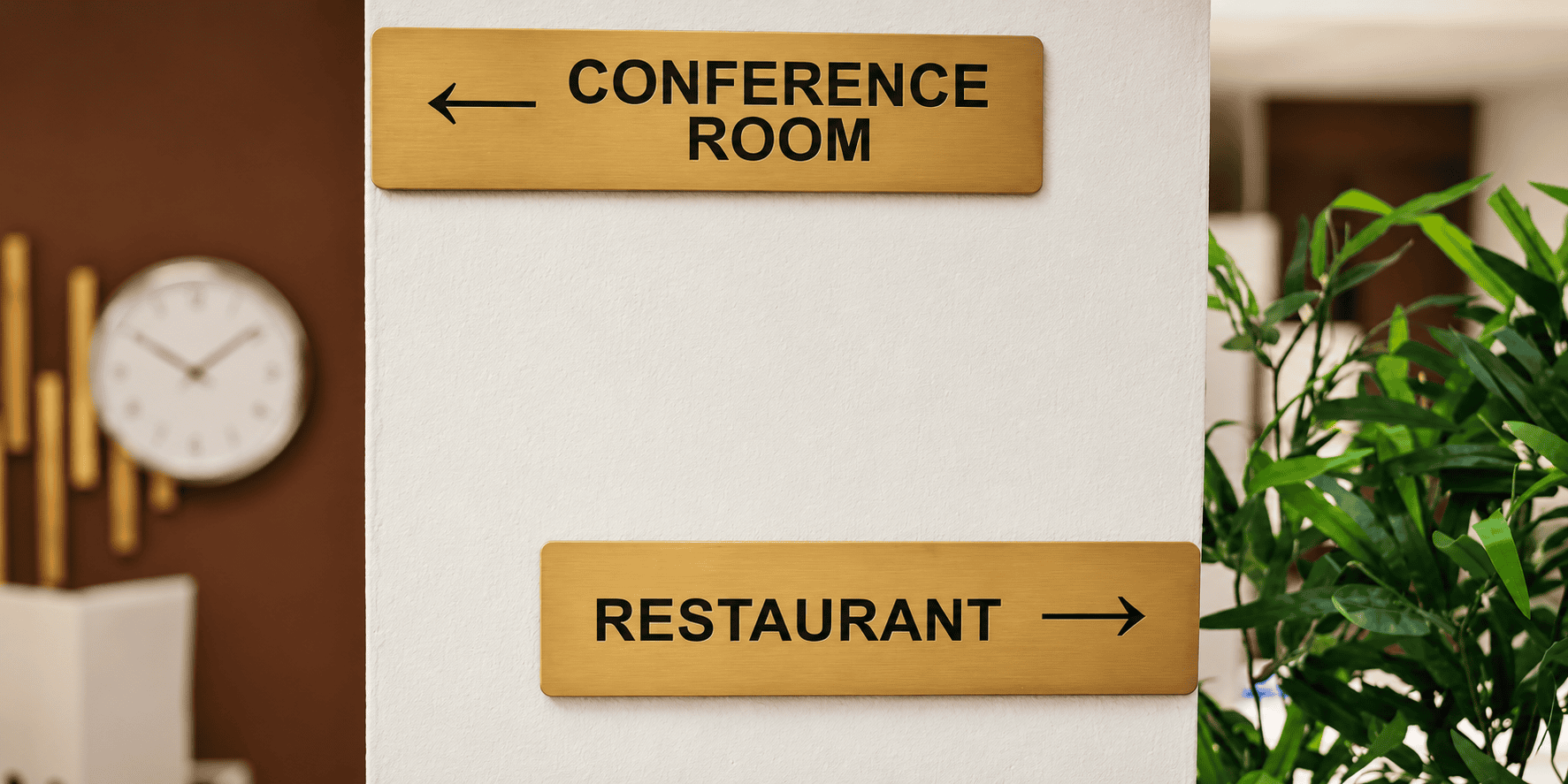
- Directional Signs: These point visitors towards lifts, exits, reception desks, meeting rooms and other destinations.
- Identification Signs: These confirm locations, such as office numbers, shop names and department entrances.
- Informational Signs: These provide useful details, including opening hours, floor directories and facility guidelines.
- Regulatory Signs: These communicate essential instructions, safety requirements and access restrictions.
Each sign should serve a clear purpose. When the information is consistent across a building, visitors can follow directions without repeatedly asking staff for assistance.
Why Effective Wayfinding Matters In Dubai
Dubai’s commercial buildings often serve residents, tourists and international business visitors. A clear navigation system helps these different groups use the same space comfortably, even if they have never visited before.
It Improves The Visitor Experience
Visitors should be able to move from the entrance to their destination without unnecessary delays. In a Dubai office tower, for example, clear floor directories and lift signage can help clients find a meeting room without interrupting reception staff. In a shopping centre, well-positioned signs can direct customers towards shops, restaurants, toilets and car park exits.
It Supports Efficient Building Management
Confusing signs can increase enquiries at reception and cause congestion around entrances or lift lobbies. A coordinated system reduces these issues by providing information at the points where people need to make decisions. It also makes daily operations easier for facility managers.
It Reinforces Brand Identity
Wayfinding does not have to look separate from your interior design. Consistent colours, typography, symbols and finishes can support your brand while keeping directions easy to follow. In a Dubai hotel or corporate headquarters, for instance, signage can complement the interior without compromising readability.
How To Design Wayfinding For Modern Spaces
A successful system starts with understanding how people move through your building. Before choosing materials or sign designs, consider the following practical factors.
Map The Visitor Journey
Walk through your premises as a first-time visitor would. Identify where someone might hesitate, take a wrong turn or need confirmation that they are heading in the right direction.
For a multi-storey office, this journey could begin at the car park, continue through the main entrance and lift lobby, then end at a specific office or meeting room. Signs should guide visitors at each important transition rather than appear randomly along the route.
Prioritise Readability And Consistency
A sign is only useful when people can understand it quickly. Keep wording concise, use legible typefaces and maintain strong contrast between text and background. Place signs where they can be seen before a visitor reaches a junction.
Use consistent names throughout the building. If a directory calls an area “Conference Centre”, the directional signs should use the same wording rather than switching to “Meeting Rooms” without explanation.
Plan For Accessibility And Language
Dubai’s diverse population makes inclusive signage an important consideration. The Dubai Building Code includes guidance on accessible wayfinding, including English and Arabic text, visual contrast and tactile information such as raised characters or Braille. Requirements should be assessed against the building type and applicable standards.
Practical steps include:
- Use Clear Language: Choose familiar words and recognised symbols instead of technical terms that visitors may not understand.
- Consider Different Needs: Assess whether tactile signs, suitable mounting heights and accessible routes are needed for people with disabilities.
- Keep Information Legible: Ensure that lighting, glare, viewing distance and text size do not make signs difficult to read.
Choosing The Right Signage Partner
Wayfinding involves more than producing individual signs. It requires planning, design, fabrication and installation to work together as one system.
When evaluating a signage company dubai businesses can look for a provider that understands the building layout, visitor requirements and brand guidelines. Ask how the team will identify decision points, maintain consistent terminology and coordinate signs across different floors or locations.
Velement provides wayfinding and environmental graphics for commercial and institutional environments across the UAE. Its services include planning, directional signage, room identification and integrated graphics, helping businesses coordinate navigation with their wider visual environment.
Frequently Asked Questions
1. What Is The Difference Between Wayfinding And Directional Signage?
Directional signage is one part of wayfinding. Wayfinding is the complete system that helps people understand their location and reach a destination, using directions, directories, identification signs and other visual cues.
2. Which Businesses Benefit From Wayfinding Signage?
Offices, shopping centres, hotels, hospitals, educational institutions and residential developments can all benefit. It is particularly useful in large or multi-storey buildings where visitors may struggle to identify entrances, departments or facilities.
3. Should Wayfinding Signs Be In Arabic And English In Dubai?
The Dubai Building Code specifies English and Arabic for text-based wayfinding signs within its applicable requirements. Building owners should confirm the relevant standards for their premises and ensure that both languages remain clear and readable.
4. How Often Should Wayfinding Signage Be Updated?
Review your signage whenever departments move, tenants change or building layouts are modified. Regular inspections also help identify damaged signs, outdated directions and information that visitors may find confusing.
Conclusion
Effective wayfinding helps people navigate your premises with less confusion, improves daily operations and creates a more welcoming experience. For Dubai businesses, a well-planned system should combine clear directions, accessible information and consistent branding. Start by understanding your visitors’ needs and identifying where navigation becomes difficult. With careful planning and coordinated installation, Velement can help businesses develop signage and environmental graphics that make their spaces easier to navigate and more consistent with their brand identity.